Dalton Hot Springs: Alaska's Most Remote Roadside Soak on the Dalton Highway
- September 6, 2026
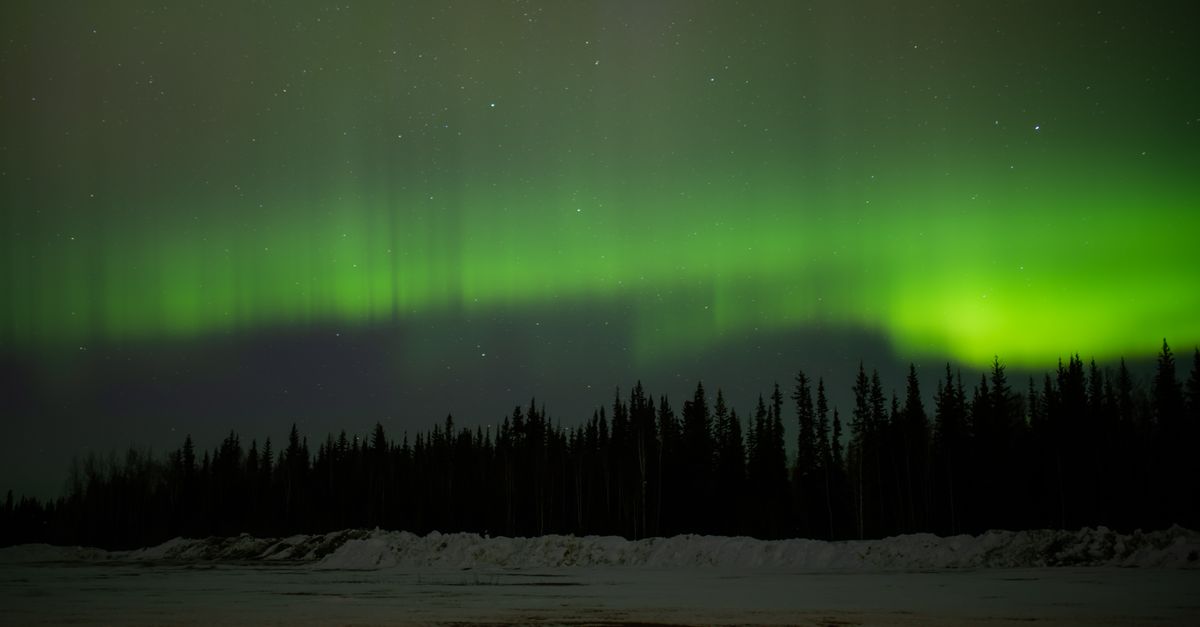
Photo by John De Leon via Pexels
The Road to Nowhere Hot
Dalton Hot Springs sits at approximately 67.7 degrees north latitude, placing it firmly above the Arctic Circle in Alaska's far north. The coordinates place this primitive soak along the Dalton Highway, the 414-mile gravel road that traces the Trans-Alaska Pipeline from Fairbanks to Prudhoe Bay on the Arctic Ocean. Few roads in North America see less traffic. The handful of vehicles that do pass through—18-wheelers hauling freight, pickup trucks carrying field workers, the occasional adventure traveler in a rented 4x4—share the highway with an infrastructure of solitude.
The location within the Brooks Range matters. This is not the Alaska of tourism brochures with manicured boardwalks and changing rooms. The Brooks Range is a place of brutal winters and brief summers, of permafrost that prevents deep root systems, of tundra that bounces underfoot. The geology that creates hot springs in this region involves deep groundwater circulation heating against the earth's crust before surfacing through fractures in the rock. At Dalton Hot Springs, that water emerges along a roadside embankment where travelers have improvised access over decades of use.
The temperature here remains unrecorded in major databases, which itself tells you something about this place. Dalton Hot Springs is not monitored, studied, or officially managed. Visitors encounter what they find.
The Soaking Experience
Dalton Hot Springs does not look like a spa. The "facilities" consist of a partially buried pipe that channels mineral-rich water into a makeshift pool carved from the frozen ground and packed stone. The water smells of sulfur—unmistakable, earthy, the signature of geothermal water interacting with rock deep below the surface. Those who detect iron or other mineral notes are not imagining things. The water carries the geology of the Brooks Range in dissolved minerals.
The setup is straightforward: you pull off the Dalton Highway onto a small clearing, likely to find yourself alone or accompanied by a handful of truckers taking a break from their long hauls. You change in the open, if conditions allow, or in your vehicle. You lower yourself into water that ranges from uncomfortably hot near the source to merely warm at the edges. The tundra stretches flat and vast in every direction. In summer, low scrub vegetation covers the hillsides. In winter, snow blankets everything, steam rising from the pool into freezing air. The light at this latitude shifts with the seasons, offering endless summer twilight or the sharp clarity of an Arctic winter afternoon.
Truckers use Dalton Hot Springs as a reset point. After hundreds of miles of gravel road through terrain that offers no services, no cell signal, no other human contact, the hot springs provide a physical and psychological break. The camaraderie is unspoken but present. You share space with strangers who understand what it means to be this far from anywhere.
Access and Practical Considerations
Reaching Dalton Hot Springs requires commitment. The Dalton Highway runs primarily as a gravel and dirt track through some of the most sparsely populated territory in the United States. Fairbanks, the nearest city of any size, lies roughly 200 miles to the south. Between that starting point and the hot springs, travelers encounter the Yukon River bridge at milepost 58, the Arctic Circle crossing at milepost 115, and essentially nothing else in the way of services for most of the journey.
No fee is collected at Dalton Hot Springs. No permit is required. The site sits on public land managed by the Bureau of Land Management, but enforcement presence is minimal to nonexistent. This free access reflects a broader ethic of Alaska's relationship with undeveloped public lands. The responsibility for safe and responsible use falls entirely on the visitor.
The road is driveable year-round, though conditions change with the seasons. Summer brings mud, standing water on the road surface, and the constant cloud of dust kicked up by passing vehicles. Winter transforms the route into an ice road where temperatures regularly plunge below negative forty degrees Fahrenheit. Travelers in any season should carry emergency supplies, extra fuel, and communication equipment that functions independent of cell networks. The isolation here is genuine. Help, if needed, is a very long way away.
What Makes Dalton Different
Alaska contains dozens of developed hot springs with varying degrees of infrastructure, from the historic pools of Chena Hot Springs Resort to the remote soak at Manley Hot Springs in the Tanana River valley. Dalton Hot Springs occupies a different category entirely. It belongs to the tradition of informal geothermal sites found throughout the North, where travelers stumble upon or seek out natural seeps and make of them what they can.
The lack of development is not an oversight or failure. It reflects the reality that some places resist improvement. The Brooks Range offers no lumber for boardwalks, no nearby towns to supply labor, no justification for infrastructure investment when traffic counts number in the dozens per day rather than thousands. What Dalton Hot Springs offers instead is straightforward: you experience the water exactly as it surfaces from the earth, unchanged by pipes or pumps or temperature gauges.
The cultural dimension matters too. Dalton Hot Springs belongs to a loose community of truckers, pipeline workers, bush pilots, and the occasional long-distance traveler who share knowledge of these roadside oases. Information passes through conversation and informal networks rather than websites or guidebooks. Finding Dalton Hot Springs requires intention, which filters the crowd to those genuinely seeking the experience rather than checking a box.
For the traveler who has made the journey north, Dalton Hot Springs offers a soak in solitude, under a wide sky, in water that has been underground for centuries before surfacing for a moment of human warmth.