Manley Hot Springs Alaska: A Frontier Soak at the End of the Road
- September 13, 2026
Manley Hot Springs sits at the end of the Elliott Highway, a community so small it barely registers on most Alaska maps yet holds something unexpected for those who make the drive. The coordinates 65.0078, -150.6267 put this place in the Alaskan interior, where the land spreads flat and open beneath a sky that seems to go on forever. The Koyukon Dene peoples knew these waters for generations before prospector John Karshner stumbled onto the springs in 1902 while working the creeks around the Salcha River drainage. The discovery that would eventually anchor a small community was, like many things in Alaska, accidental.
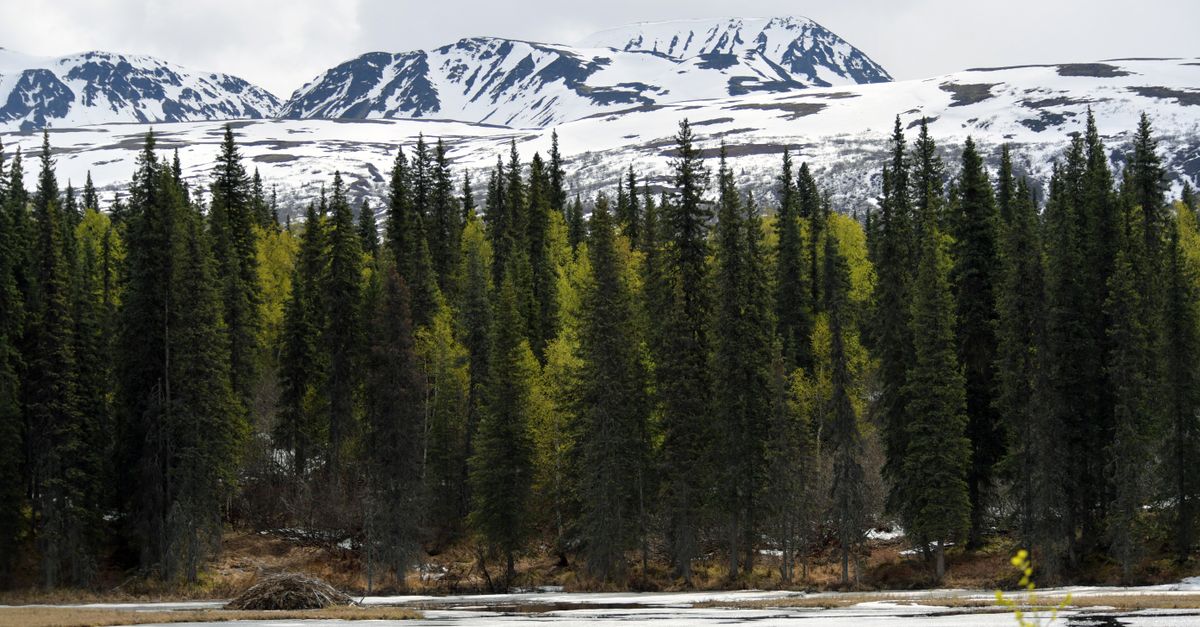
The springs emerge in a gentle valley where the Tanana River Valley begins its slow shift toward the Kantishna Hills to the west. Water heated deep beneath the permafrost rises through geological fractures, carrying dissolved minerals that give the pools their character. The waters flow into simple concrete or wooden structures maintained by the local community. The $5 access fee supports this grassroots stewardship model, where neighbors take turns maintaining the facilities that have served their families for generations. This is hot springs culture at its core: people gathering around water the earth has warmed for them, sharing space and silence.
The Elliott Highway has been plowed year-round since 1982, a commitment that speaks to the community's determination to stay connected to Fairbanks and the wider road system. Travelers leaving Alaska's second-largest city cover approximately 160 miles of progressively remote highway, watching suburbs give way to taiga forest, then to the rolling hills and glacial outwash plains of the interior. The road is paved at first but turns to gravel as distances increase, and weather can shift fast. Checking road conditions before departure is essential, particularly during spring breakup when the highway's exposed sections may develop potholes severe enough to discourage all but the most determined visitors. Cell service disappears somewhere between the Chatanika River and the community itself, leaving travelers truly disconnected.
Seasonal timing matters for Manley Hot Springs visitors. Summer brings extended daylight and the possibility of soaking at midnight under a pale northern sky, but mosquitoes emerge in quantities that can overwhelm unprepared visitors. Spring and fall offer intermediate temperatures that some find ideal, though access after the May 2022 flooding requires attention. An ice jam on the Tanana River caused severe flooding that displaced sixty residents from their homes, a reminder that communities here live in close relationship with the river that defines their landscape. Visitors should ask about current conditions when making appointments, as community resources remain focused on recovery.
Winter changes the Manley Hot Springs experience entirely. Temperatures drop to forty below and beyond, and steam rising from the pools creates a surreal contrast with the frozen ground. Soaking in water around body temperature while the air bites with real ferocity provides a physical sensation unlike anything at tropical destinations. On a clear winter night, the stars rank among the most spectacular visible from any maintained road system in North America, the Milky Way arching across darkness uninterrupted by light pollution. Aurora displays are common, green and violet curtains dancing above the southern horizon in shifting patterns tied to solar activity. The mix of celestial show and terrestrial warmth creates something visitors describe in almost spiritual terms.
Access works differently here. By-appointment visitation lets the community manage their resource sustainably while ensuring visitors have a real experience rather than just passing through. Calling ahead lets local operators prepare the facilities, answer questions about current conditions, and sometimes share context about the community's history and recovery efforts. The appointment system also gives a chance to learn about recent developments, including ongoing impacts from the 2022 flooding or other seasonal factors affecting access. First-time visitors coming from Fairbanks should plan for a minimum of four hours of driving time each direction, plus time at the springs and any delays from checking conditions.
Fewer than one hundred people live in Manley Hot Springs year-round, most maintaining connections to subsistence hunting and fishing traditions that predate the road system entirely. The hot springs facility is one of several gathering points where community members interact with each other and with the outside world. Visitors who approach with respect for this context often find themselves welcomed into conversations and stories that would be impossible to access at more developed destinations. The community's resilience after the 2022 flood, which damaged infrastructure and displaced a significant portion of the population, shows the character of people who have chosen to remain connected to this specific landscape despite its challenges. Paying the modest $5 access fee is a form of direct economic engagement with rural Alaska that tourists rarely encounter.
Practical preparation matters for any visit to Manley Hot Springs. Vehicle readiness ranks among the most critical considerations, as breakdown in this remote corridor leaves travelers with limited options. A full tank of fuel, functional spare tire and jack, basic emergency supplies, food and water for multiple days, and communication equipment that does not rely on cell service represent minimum prudent preparations. Clothing should anticipate temperature swings of thirty degrees or more across any given day, with layers that can be added or removed as activity levels and weather shift. The $5 access fee is typically paid in cash, since card processing infrastructure remains limited in this remote community.
Manley Hot Springs sits atop a zone where the earth's internal heat rises more readily toward the surface. The mineral content includes dissolved solids that many visitors find beneficial for skin conditions and general relaxation, though specific therapeutic claims vary and visitors should keep expectations realistic. The water's temperature stays consistent year-round, neither scalding nor tepid, suitable for extended soaks that let the body's stress response gradually unwind. At this latitude, summer months bring extended twilight periods that blend into dawn without true darkness, while winter brings weeks where the sun barely crests the southern horizon before retreating again.
Manley Hot Springs rewards those who plan carefully and accept the journey as part of the experience itself. The Elliott Highway delivers visitors to a place operating on its own schedule, where appointment systems replace open hours and community survival remains an active project rather than historical footnote. Against curated experiences and optimized itineraries, this small community at the end of the road offers something rarer: genuine unpredictability, real human connection, and water rising through Alaskan bedrock since long before anyone thought to name the place. The drive home, retracing those 160 miles through the boreal forest, carries a different quality after soaking in Manley's waters. The landscape seems more present, the sky more immediate, and the distance between Fairbanks and the hot springs somehow both unchanged and utterly transformed.